Essential Checklist Guide to Winter Storm Readiness
Winter storms may occur without much notice and cause heavy snow, ice, and freezing temperatures that disrupt normal life. Having the right clothing and supplies ready is essential to stay safe and warm, whether you live in a snowy region or face an unexpected cold snap. This winter weather safety guide provides a practical winter storm readiness checklist to help you prepare in advance and handle these challenges with confidence.
Why Winter Storm Readiness Matters
Before drowning in the checklist, it is imperative to understand why winter storm preparedness is important. The storms can lead to power outages, roadblocks, as well as health risk factors like hypothermia. According to weather experts, thousands of blizzard related incidences are observed in the regions vulnerable to a blizzard annually.
Begin by keeping track of forecasting instruments, such as trusted predictors can provide you with a warning of what may go wrong. Tracking weather trends early can make a big difference. Many people use snowiest cities to understand how severe an upcoming storm might be and plan accordingly.
Evaluate your own risks: In case you reside in those regions where there is snow, like the Northeast of the US or in the Canadian provinces, it may be prudent to take into consideration past patterns. This will provide awareness that will inform you ahead of your emergency checklist in winter.
Getting Your Home Ready For The Storm
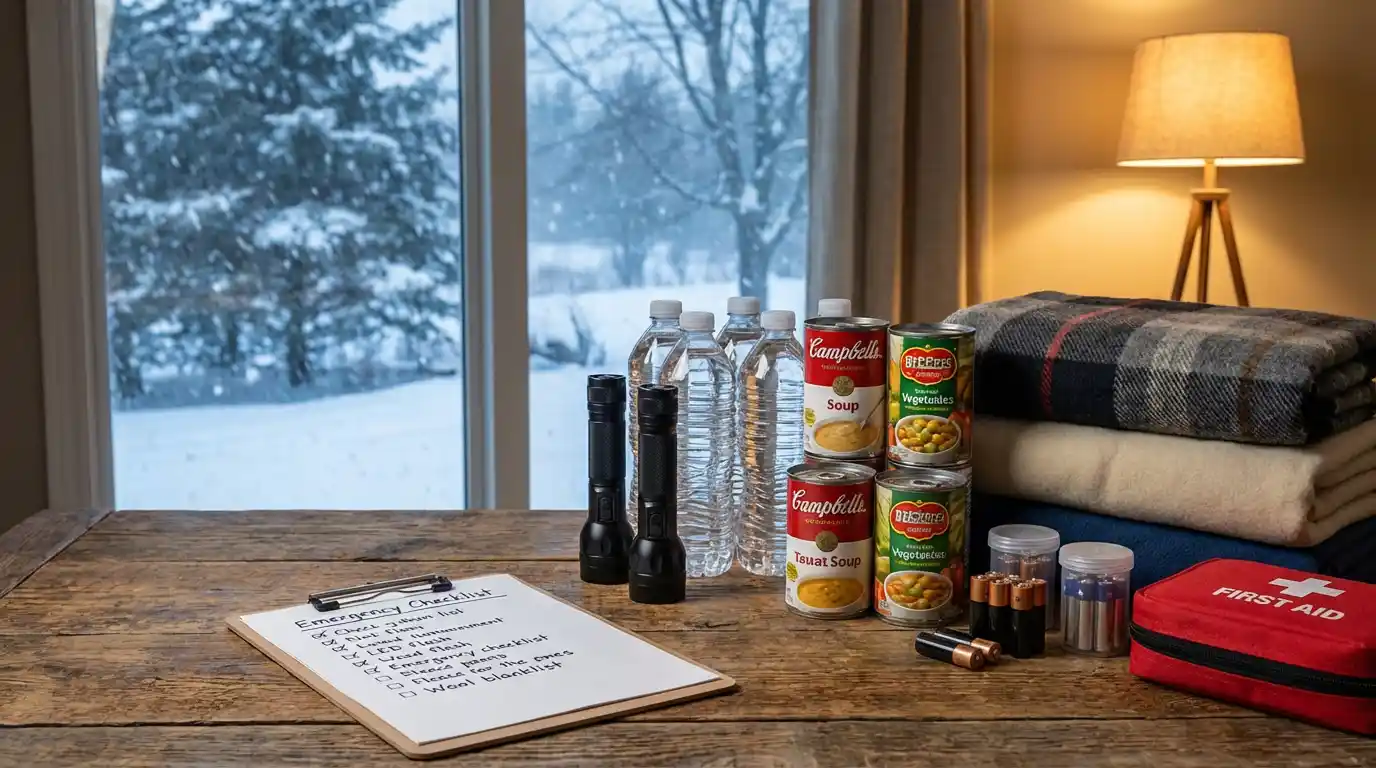
The basis of any checklist of winter storm preparedness is home security.
Checking Vulnerabilities
The first step is to check your property and identify its weaknesses. Use weather stripping or caulk to close the seals of windows and doors to avoid the wastage of heat. This is capable of saving on energy expenses by as much as 20 percent. Have your pipes insulated to prevent their freezing and bursting, which may cost you a fortune.
Service of Your Heating System
On the next step, make sure that your heating is in excellent condition. Get your furnace maintained once per year, and you should stock up on other sources of heat, such as space heaters (when used properly) or firewood in fireplaces. The installation of carbon monoxide detectors and their frequent testing is advisable since heating becomes faulty and may cause hazardous accumulations.
Exterior Preparations
Do not forget about outside preparations: Clean up gutters of debris to avoid ice formation on the roof at the angle of the dams that cause roof leakage. Prune hanging branches that could bend down under the weight of the snow and break electric wires or your house. In rural settings, as one of the back-ups, one can have a generator, to be used outside, without generating fumes.
Preparedness of Vehicles and Travel
In case travelling is inevitable, then your car must have its place on the winter storm preparedness list. The first step would be to install winter tires or chains that would provide more traction on snowy roads. It should have a full gas tank or close to half full so that it does not freeze the fuel lines, and you should have an emergency roadside kit.
This kit should have a shovel, an ice scraper, traction, sand or litter, jumper cables and flares. The warm blankets, snacks, water, and phone with a charge plug.
Its important to allow sufficient space when driving. Do not make any decisions. If stopped, stay in your vehicle until someone arrives at your location. Keep the vehicle’s engine running on occasion to maintain the engine’s warmth/body temperature. Remember that you should not seal up the exhaust pipe with snow. When the situation appears unsafe, it will be better to check the possibility of school closures and decide to go.
Purchasing Necessary Stores
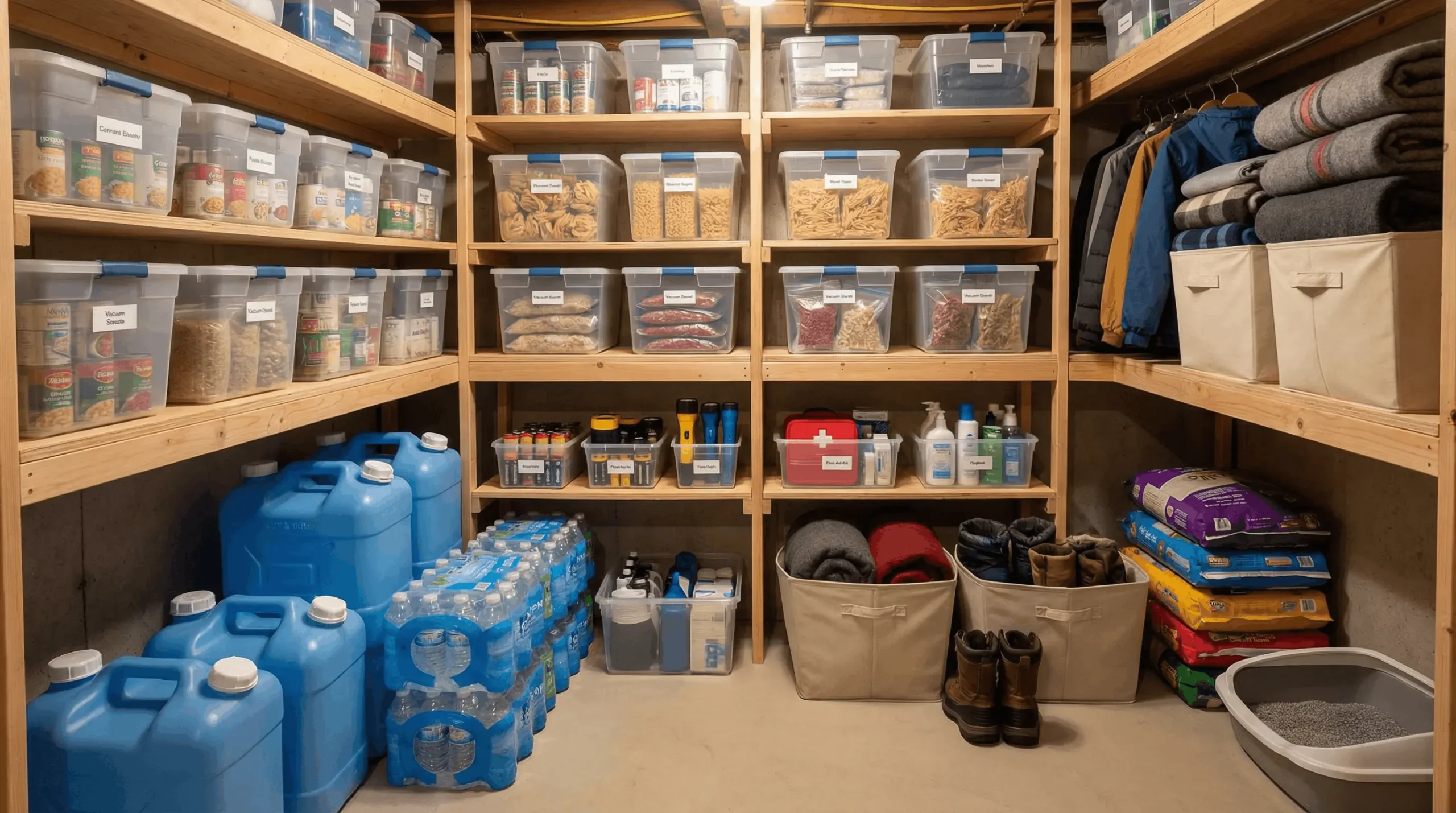
These are a pantry and an emergency kit that are a must in your winter emergency checklist. With good planning of your supplies, you are likely to survive and stay comfortable even when the storms last long or there is an outage. You can plan quantities to prevent shortages by looking at how many people are living in the house and whether you have any special needs or not.
Shelf Stable Food and Water
Stock up on non-perishable food and water (1 gallon per person daily) for a minimum of 3 days. Stock food items that you can eat without cooking, such as canned food, nuts, and snack bars. Buy plenty of drugs as well, having spares in case of any immediate need. To make the state of hydration interesting, add shelf-stable milk or juices. Having easy, comforting meal ideas planned can also help, especially meals that work well with cozy recipes during snow days.
Warmth and Comfort Items
Being warm, carry blankets, sleeping bags and more clothes on. You can also order the food of your pets online and have it delivered or purchase their supplies, so that you can remain safe and feed them during the isolation. Seek more warmth by using such items as hot water bottles or chemical heat packs when it is not connected to electricity.
Snow day predictor is a real-time resource that can assist you in making your preparations just in time, and it is an indispensable tool in the process of winter weather planning.
Lighting and Emergency Equipment
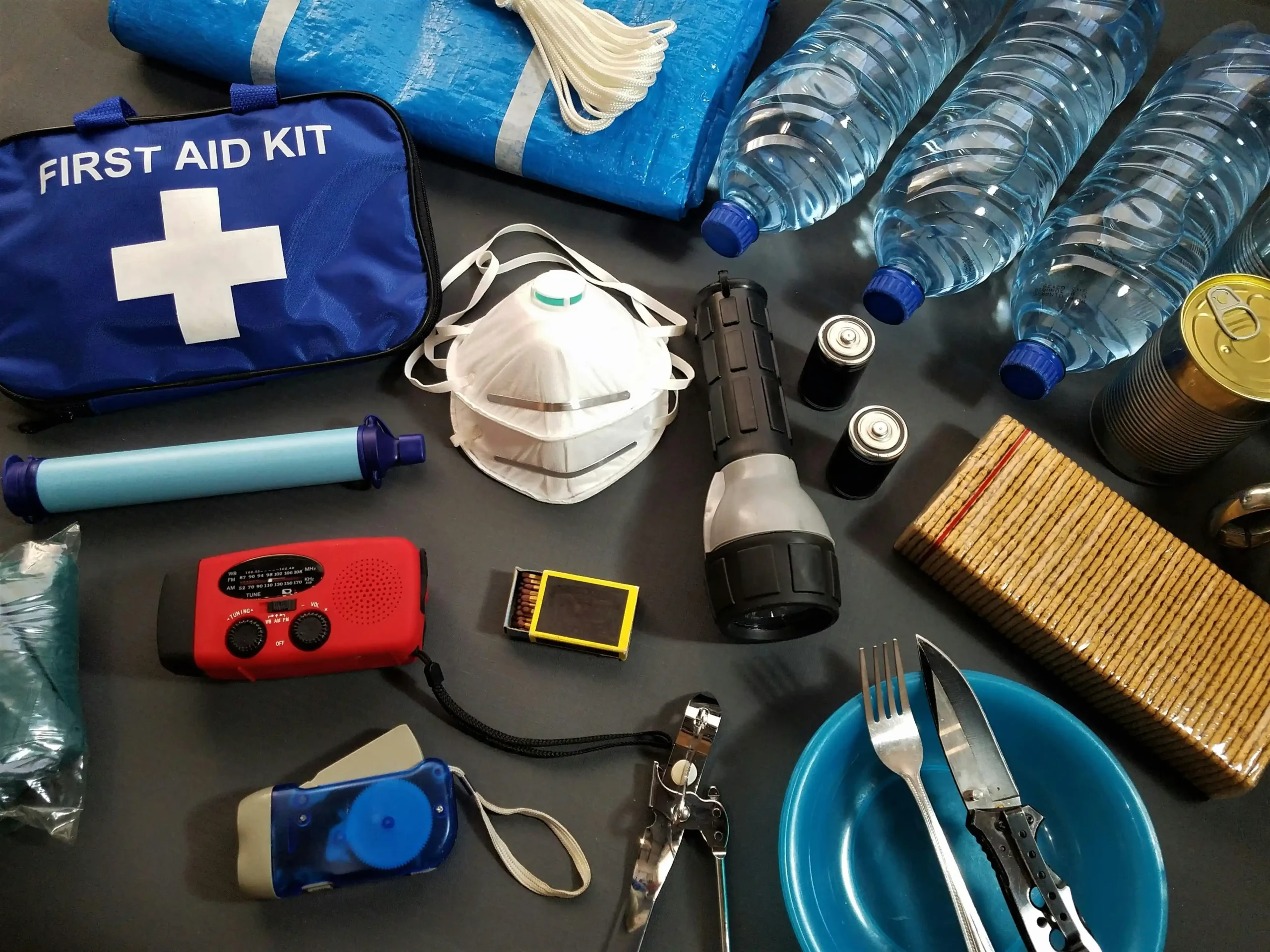
There have to be flashlights and additional batteries, a first-aid kit, and a battery-powered radio (to update). These applications will bring you up to date and ready to handle any situation. A Swiss Army knife or a multi-tool may also be helpful to do little fixes or make some adjustments in case of an emergency.
Hygiene and Sanitation and Essentials
Hygiene products such as damp towels, garbage bags, and hand sanitizers are essential in case of an outage and contribute to the preservation of health in the short-term when water and other facilities are scarce. Feminine hygiene products or nappies should not be forgotten, provided that they are needed by your family.
Entertainment Options
During idle times, books or board games will keep the spirits up and avoid cabin fever. Puzzles can be taken, or craft material can be offered to children and adults to transform a stressful moment into a bonding moment. Some activities can be done indoors through winter to pass the time, stress is lessened, and everyone is kept busy whilst waiting to improve the conditions just as in the winter snow day activities.
Clean Up Of The Aftermath Of The Storm
Recovery is one of the aspects of winter storm preparedness after the storm. Its advanced preparation can be used to minimize harm and stress. Recovery refers to problem checking, cleaning up safely, and enhancing your plan for future storms.
Begin with a simple safety check. Check the roof to see whether it is full of heavy snow, clear the vents which can trap carbon monoxide and see whether the house is leaking or flooding. Watch out for formed branches, fissures, or open wires. In case of something appearing unsafe, do not approach the place; call the professionals. Early inspections ensure that little problems turn out to be major ones.
Then snow and debris be cleared. Snow clearing on walkways and driveways, resting, and lifting heavy material. Where applicable, use sand or environmentally-friendly de-icers. If the snow is too heavy, hire help.
By clearing the paths fast, there is a reduction of the risk of slips, and the accessibility is better when required. Once it is cleaned, replenish your emergency stores such as food, batteries, and fuel.
Last words
On this checklist to be Winter Storm ready, we’ve had a close look at the important things to know about your risk when it comes to the winter storms you are prepping for, the steps to take to make sure you are ready for any winter storm, and what supplies to gather and prepare in advance to use during the storm. Knowing what you need to continue after a storm has passed, you’ll need to assess damage to your property and then clean up before you will be able to look at your preparedness plan and make any needed changes based on what Mother Nature threw at you over the course of the storm.