Top 10 Snowiest Cities in Colorado
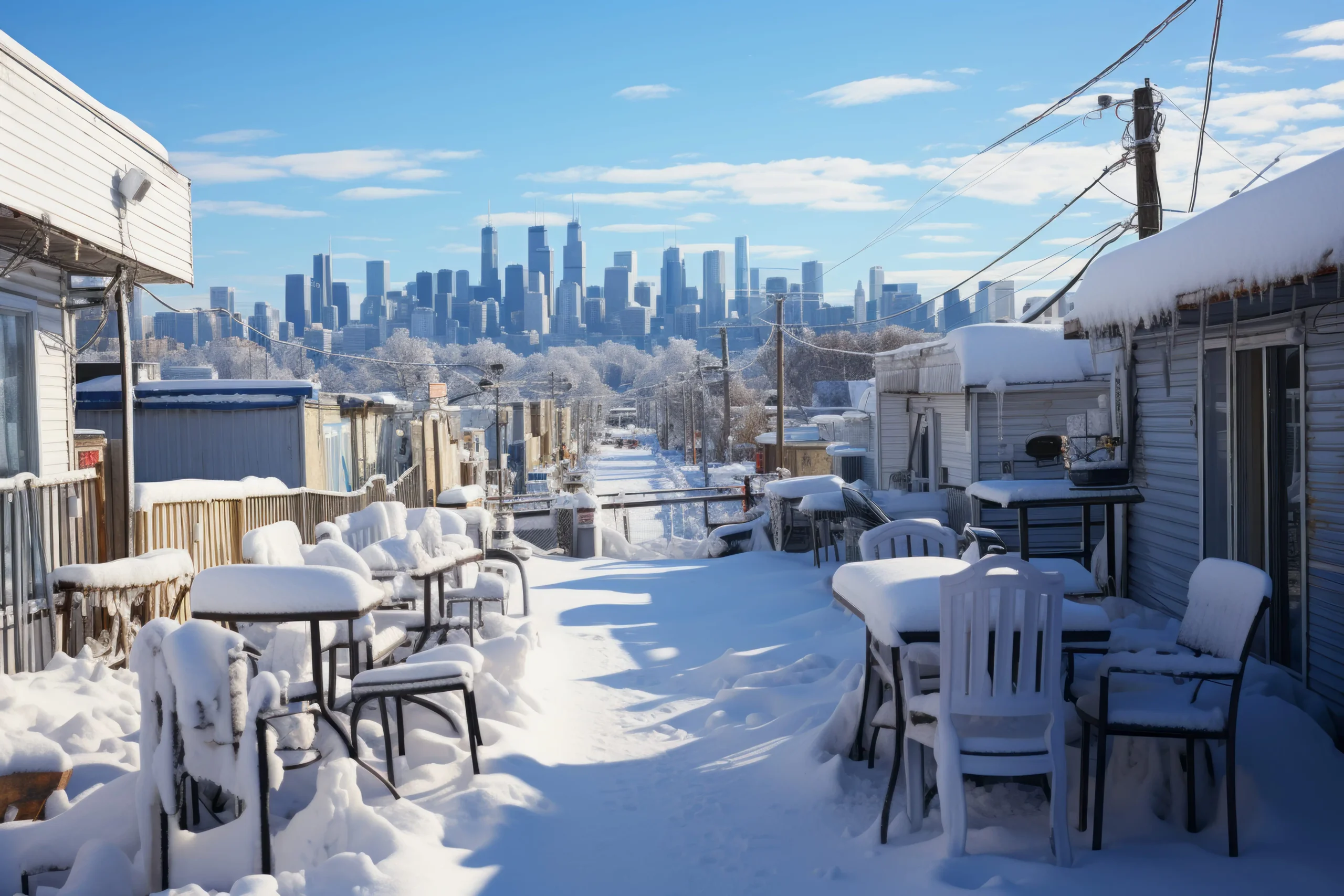
Colorado doesn’t just snow, it snows. The state sits at the intersection of Pacific storm systems and polar air masses, which results in some of the deepest and most consistent snowfall in North America, in its mountain valleys and high-altitude towns. While a good winter is measured in feet in much of the United States, in Colorado it’s measured in a whole different way.
This list ranks the 10 snowiest cities in Colorado, based on average data from NOAA’s official weather stations from 1991 to 2020. Each amount here reflects snowfall at the city level, that is, the snow actually recorded in the areas where people live and not at ski resorts or mountaintops, where snowfall can be as much as 100 to 200 inches. This distinction is important, and we’ll explain it in more detail below.
How We Ranked These Cities
Colorado doesn’t just snow, it snows. The state sits at the intersection of Pacific storm systems and polar air masses, which results in some of the deepest and most consistent snowfall in North America, in its mountain valleys and high-altitude towns. While a good winter is measured in feet in much of the United States, in Colorado it’s measured in a whole different way.
This list ranks the 10 snowiest cities in Colorado, based on average data from NOAA’s official weather stations from 1991 to 2020. Each amount here reflects snowfall at the city level, that is, the snow actually recorded in the areas where people live and not at ski resorts or mountaintops, where snowfall can be as much as 100 to 200 inches. This distinction is important, and we’ll explain it in more detail below.
The 10 Snowiest Cities in Colorado
1. Crested Butte
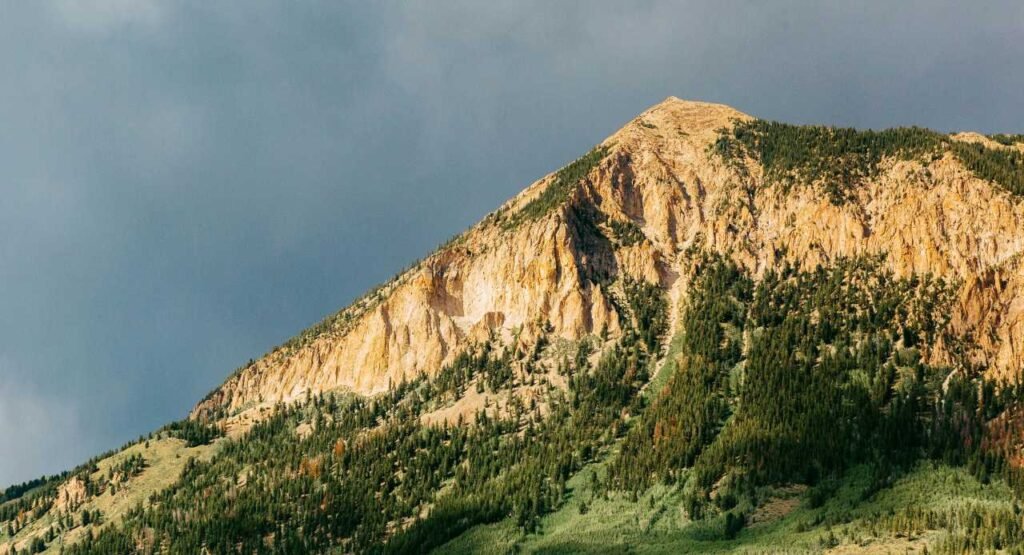
Crested Butte is the snowiest city in Colorado by official NOAA measurements, averaging 203 inches of annual snowfall at town level. Sitting at 8,885 feet in Gunnison County, it catches moisture from both Pacific and Gulf storms, producing deep, consistent snowfall from October through May.
The town’s position in the Elk Mountains creates a natural snow trap; storms slow down as they push up the valley, dumping their moisture before moving on. Peak snowfall comes in January and February, when multi-day storms can pile up 20–30 inches without pausing. If you’re trying to predict school closures in Crested Butte, even a moderate storm forecast deserves serious attention. Use our Snow Day Predictor to check real-time closure chances.
Snow season: October through May
Peak month: January
Closure risk: Very High
2. Vail
Vail sits at 8,150 feet in Eagle County and receives an average of 189 inches of snow per year at the town level. Its location in a narrow mountain valley means cold air pools and holds moisture efficiently. Storms that might drop 6 inches on the Front Range leave 18 inches in Vail.
The Vail ski resort records far higher totals (~354 inches) because its summit sits thousands of feet above the town. But even the in-town snowfall makes Vail one of the most reliably snow-covered communities in the Rocky Mountain West. Snow season runs from November through early April, with January consistently producing the heaviest accumulations.
Snow season: November through April
Peak month: January
Closure risk: Very High
3. Breckenridge
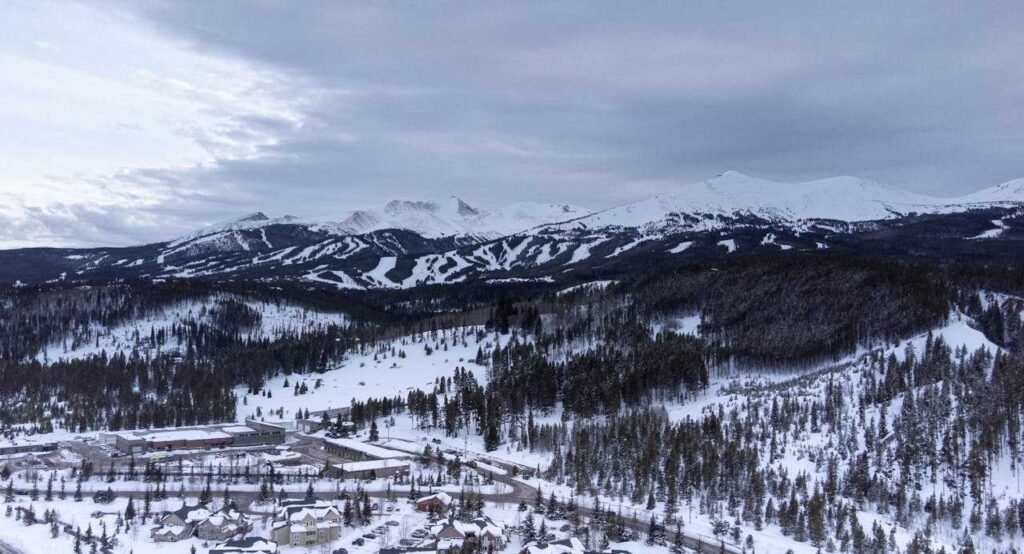
Breckenridge is one of Colorado’s most famous ski towns and one of its snowiest, averaging 184.6 inches annually. At 9,600 feet, the highest elevation of any Colorado city on this list, it’s no surprise that Breckenridge gets walloped by winter storms from October through May. Cold temperatures at that elevation mean snow accumulates and stays, with snowpack building steadily through December and January.
The town sits in Summit County on the western slope of the Continental Divide, which puts it directly in the path of moisture-laden Pacific systems. A single January storm can deposit 12–18 inches in 24 hours. For anyone traveling Highway 9 during winter, checking snow day conditions ahead of time is a smart habit.
Snow season: October through May
Peak month: January
Closure risk: Very High
4. Steamboat Springs

Steamboat Springs averages 184.5 inches per year, nearly identical to Breckenridge, and has earned the nickname “Ski Town USA” for good reason. Located in Routt County in northwestern Colorado, it sits in a valley that channels Yampa River moisture directly into incoming storm systems, producing the famously light, dry “Champagne Powder” snowflakes the resort markets worldwide.
What makes Steamboat particularly noteworthy is the consistency of its snowfall. Unlike some mountain towns that depend on a few mega-storms, Steamboat accumulates snow steadily from late November through March with relatively few dry spells. Single storm events of 20+ inches are common during peak winter weeks.
Snow season: Late November through March
Peak month: January/February
Closure risk: Very High
5. Silverton
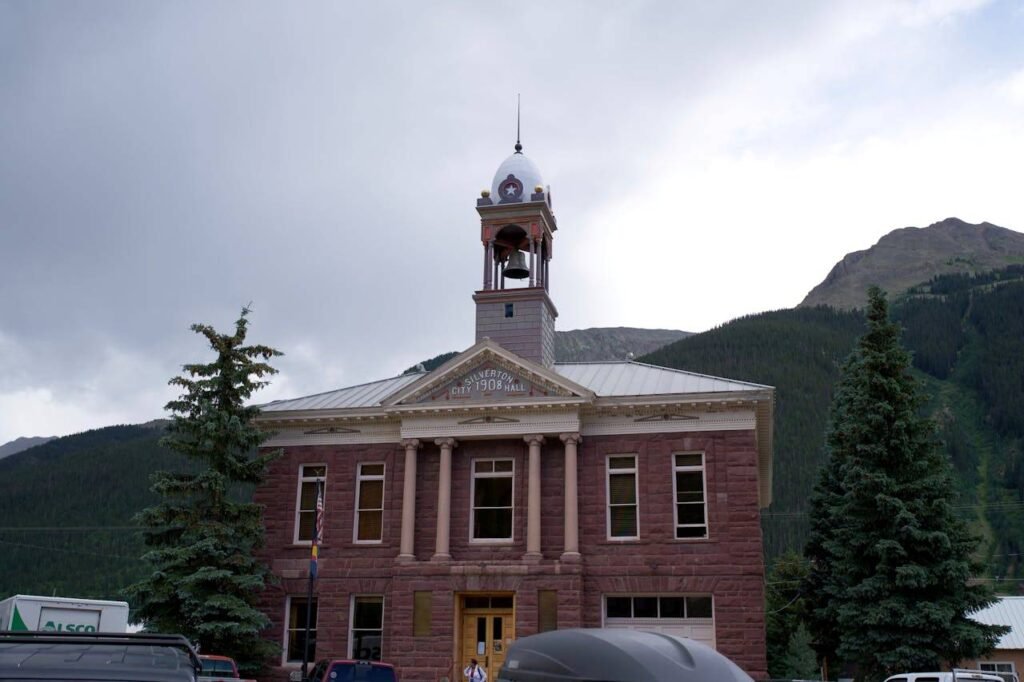
Silverton is one of Colorado’s most isolated and snow-prone communities. Tucked into the San Juan Mountains at 9,305 feet, it averages 172.6 inches of annual snowfall and is regularly cut off from nearby towns when US-550, the Million Dollar Highway, becomes impassable. The population sits around 600 residents, making it one of the smallest towns on this list, but its snowfall totals rival the biggest ski resorts in the state.
San Juan Mountain storms come in hard and fast, often dropping 12–15 inches overnight. The town’s position at the bottom of a steep-sided valley also makes it prone to wind-loading and avalanche conditions on surrounding slopes. It’s a spectacular place to visit in winter if you can get there.
Snow season: October through April
Peak month: December/January
Closure risk: Very High
6. Aspen
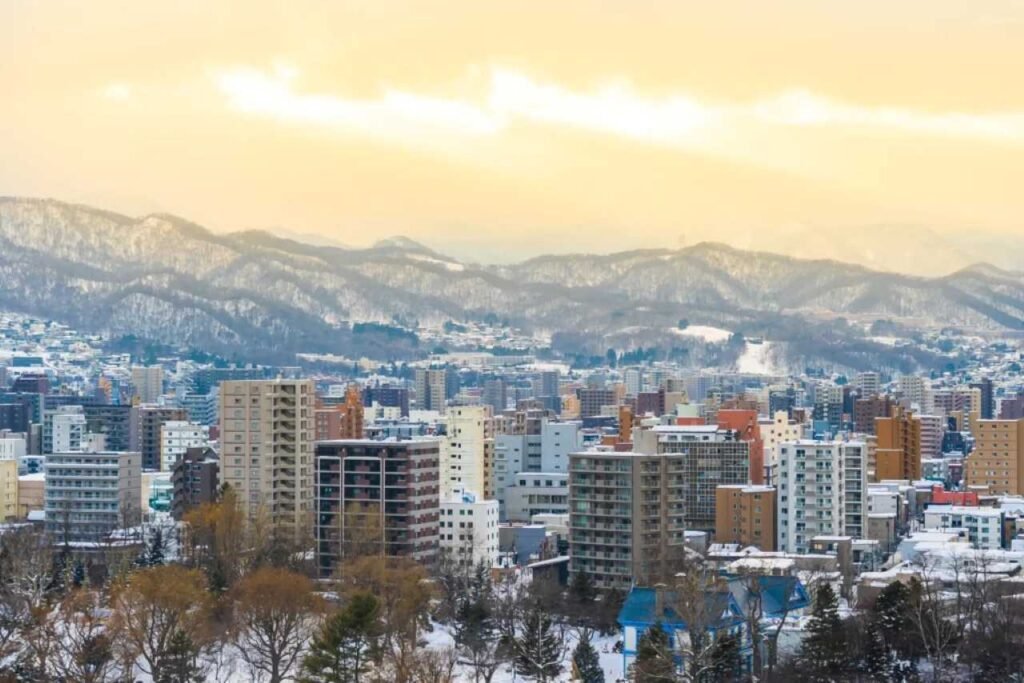
Aspen averages 170.8 inches of annual snowfall at the town level. At 7,908 feet in Pitkin County, Aspen sits in the Roaring Fork Valley and captures significant moisture from storms moving across the Elk Mountains. October through May is the full snow window, though December through February represents the most reliable accumulation period.
The Snowmass resort above Aspen can exceed 295 inches in a strong season, the valley town sees considerably less, but still ranks comfortably among the snowiest places in the state. Aspen’s snowfall is relatively reliable from year to year, rarely recording a true drought winter even in light precipitation years statewide.
Snow season: October through May
Peak month: January
Closure risk: Hightrips should consider
7. Leadville
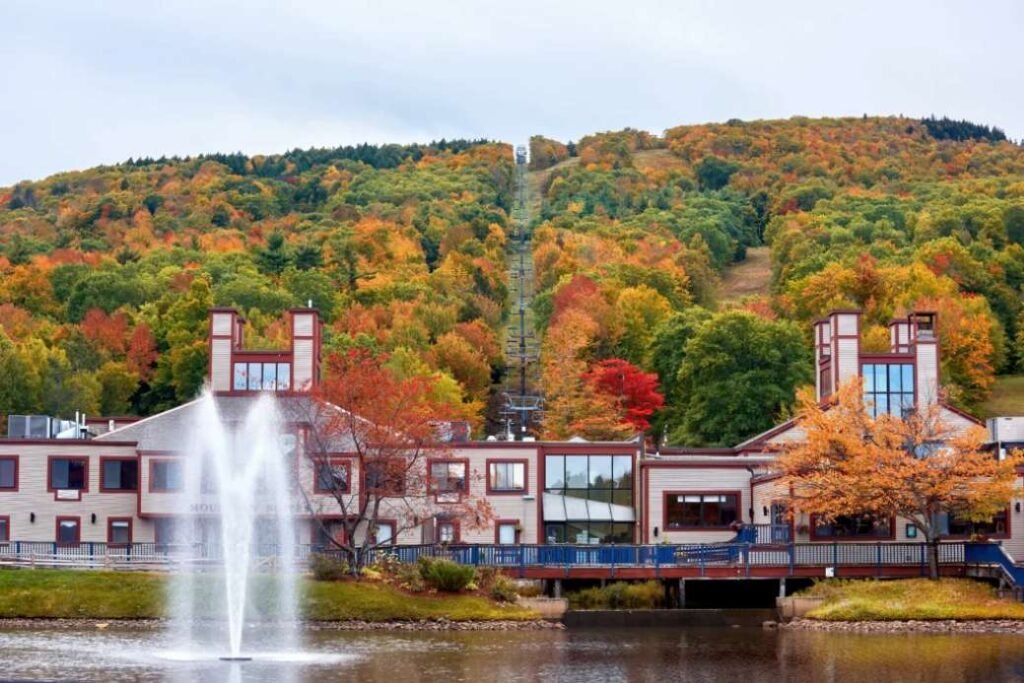
Leadville is the highest incorporated city in the United States at 10,152 feet, and its snowfall reflects that extreme elevation. Official NOAA data puts annual snowfall at 156.9 inches. What Leadville lacks in moisture-trap geography, it makes up for in sheer altitude. Temperatures stay cold enough to preserve snowfall that would melt quickly at lower elevations, and the snow season stretches from September well into May.
Wind is a significant factor in Leadville. Sustained winds through Lake County can reduce visibility to near zero during storms, and drifting creates hazardous road conditions even when raw snowfall totals are moderate. School closures in Leadville can happen on days when nearby lower-elevation towns are operating normally.
Snow season: September through May
Peak month: January
Closure risk: High
8. Telluride
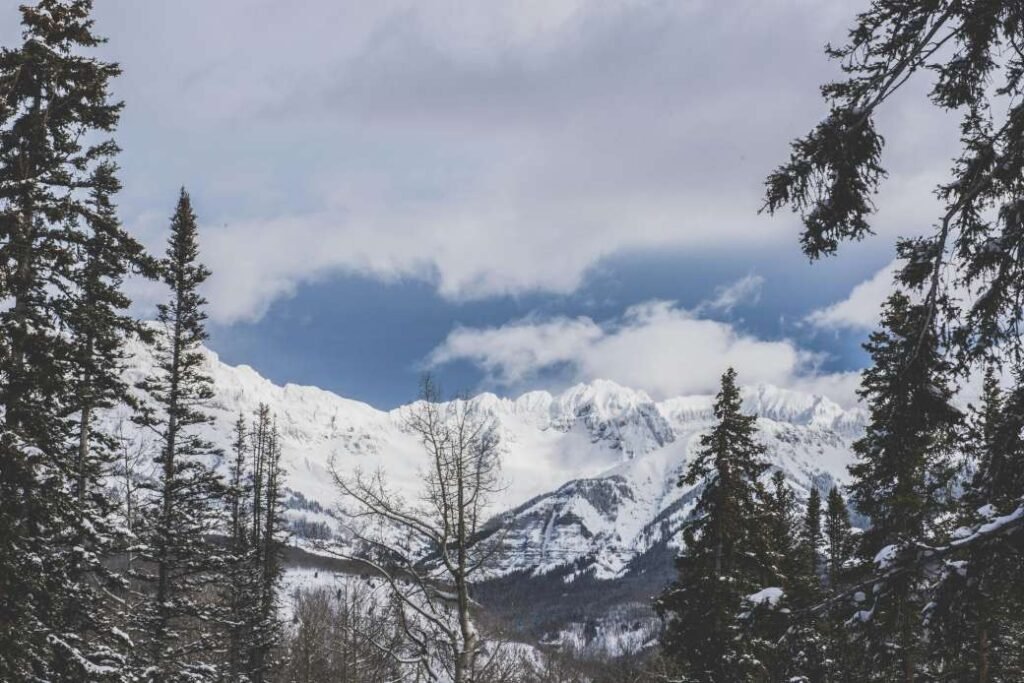
Telluride averages 130.8 inches of annual snowfall in the town itself, located at 8,750 feet in San Miguel County. Its position at the end of a box canyon in the San Juan Mountains gives it a unique snowfall pattern — storms come in fast from the southwest, drop heavy snow, and then get trapped by the canyon walls, sometimes extending precipitation events longer than in open valley towns.
The Telluride ski resort at higher elevations averages ~276 inches, roughly double the in-town total. Even with the lower town figure, Telluride experiences heavy, consistent winters with snow beginning as early as October. Late-season snowstorms in March and April are common and often some of the deepest of the year.
Snow season: October through April
Peak month: January/February
Closure risk: High
9. Ouray

Called the “Switzerland of America,” Ouray averages 126.4 inches annually. At 7,760 feet in the Uncompahgre Gorge, it receives reliable snowfall from November through March, with storms channeled and intensified by the steep canyon walls surrounding the town on three sides. Its position in the southern San Juan Mountains means it also catches late-season Pacific moisture that misses many northern Colorado cities.
Despite the nickname, Ouray isn’t just a scenic backdrop, it’s a working winter town with genuine snow challenges. The box canyon location makes road conditions difficult in heavy storms, and the Million Dollar Highway connecting it to Silverton to the north is one of the most treacherous winter mountain roads in the US.
Snow season: November through March
Peak month: December/January
Closure risk: High
10. Estes Park
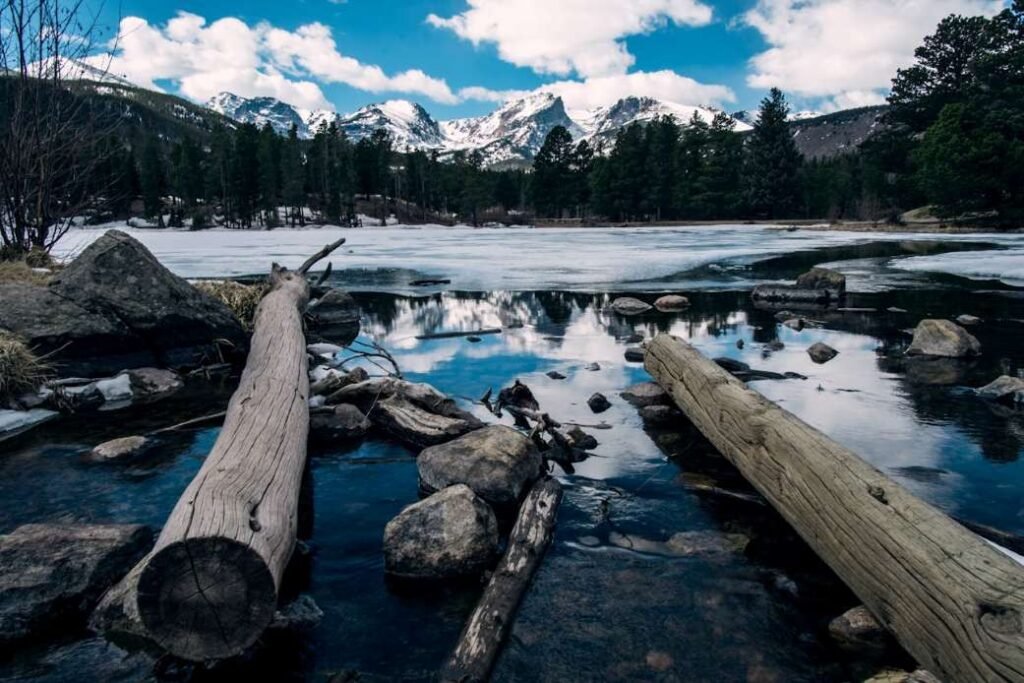
Estes Park rounds out the list at 104 inches per year, sitting at 7,522 feet on the eastern edge of Rocky Mountain National Park in Larimer County. It’s the snowiest Front Range-adjacent community in Colorado and a reminder that you don’t have to be deep in the mountains to see serious winter weather.
What makes Estes Park notable is its position at the meeting point of cold Front Range air and upslope moisture coming off the plains. When northeast winds push moisture against the mountain front, Estes Park can receive heavy snow events that catch visitors completely off guard. Blizzard conditions here are not uncommon, and road closures on US-36 happen multiple times each winter.
Snow season: October through May
Peak month: March (due to upslope events)
Closure risk: Moderate-High
Colorado Snowfall Comparison Table (All 10 Cities)
| # | City | Annual Avg (inches) | Peak Month | Snow Season | Closure Risk |
|---|---|---|---|---|---|
| 1 | Crested Butte | 203.0″ | January | Oct–May | Very High |
| 2 | Vail | 189.2″ | January | Nov–Apr | Very High |
| 3 | Breckenridge | 184.6″ | January | Oct–May | Very High |
| 4 | Steamboat Springs | 184.5″ | Jan–Feb | Nov–Mar | Very High |
| 5 | Silverton | 172.6″ | Dec–Jan | Oct–Apr | Very High |
| 6 | Aspen | 170.8″ | January | Oct–May | High |
| 7 | Leadville | 156.9″ | January | Sep–May | High |
| 8 | Telluride | 130.8″ | Jan–Feb | Oct–Apr | High |
| 9 | Ouray | 126.4″ | Dec–Jan | Nov–Mar | High |
| 10 | Estes Park | 104.0″ | March | Oct–May | Moderate-High |
When Does Colorado Get the Most Snow?
Colorado’s snow season is longer than most states — and more variable. Here’s how snowfall typically plays out month by month across mountain communities:
- October — Snow begins at high elevations. Crested Butte, Silverton, and Leadville can see significant accumulation before Halloween.
- November — Snow spreads to mid-elevation towns like Steamboat Springs, Vail, and Breckenridge. Roads into mountain communities start requiring chains or four-wheel drive.
- December — Snowfall intensifies across the board. December is the second-snowiest month statewide and the first month when consistent snowpack locks in.
- January — Peak snowfall month for most of western Colorado. The heaviest single-storm events typically fall between December 15 and February 15.
- February — Still deep winter across all mountain communities. Snowpack reaches its seasonal maximum.
- March — Often the snowiest month for Front Range-adjacent locations like Estes Park, due to upslope weather patterns. Mountain towns start seeing variability.
- April — Late-season powder is common at altitude. Crested Butte and Breckenridge still record significant accumulations.
- May — Snow winds down below 9,000 feet but continues at higher elevations. Leadville can see snowfall through Memorial Day.
Mountain Towns vs. Front Range: Why the Difference Is So Dramatic
Colorado Springs gets about 32 inches of snow per year. Crested Butte gets 203 inches. That’s a 171-inch gap between two cities in the same state, and the explanation comes down to elevation, geography, and wind.
Mountain towns on Colorado’s Western Slope sit directly in the path of Pacific moisture systems. As these storm systems move east and hit the Rocky Mountains, they’re forced upward. Rising air cools rapidly, and that cooling turns moisture into snow. The higher the elevation, the more intense the process, which is why Crested Butte and Breckenridge get buried while Denver gets a moderate winter.
The Front Range faces the opposite dynamic: Chinook winds warm, dry air that descends from the Rockies, frequently melting or preventing snow accumulation along the I-25 corridor. A 6-inch snowstorm can start in Denver and disappear within 48 hours as a Chinook arrives. That same storm left 18 inches in Summit County that won’t melt until March.
Check Real-Time Snow Day Chances for Any Colorado City
Whether you’re in Crested Butte or Estes Park, snowfall forecasts change fast. Use our Snow Day Predictor to get a real-time probability score for school closures based on live weather data for your specific ZIP code. Enter your Colorado ZIP code, get your snow day probability instantly, and check back as storm forecasts update overnight.
If a big storm is rolling in from the Pacific, you’ll want to watch that probability climb through the evening. Most Colorado school districts make closure decisions between 4 AM and 6 AM based on road conditions at that moment — not the forecast from the night before.
For more context on snowfall across the US, see our full guide to the top 10 snowiest cities in the United States.
FAQ’s
Crested Butte is the snowiest city in Colorado, averaging 203 inches of annual snowfall based on NOAA 30-year climate data. It consistently leads all Colorado communities at town-level measurements, outpacing even well-known ski towns like Vail and Steamboat Springs.
January is the snowiest month across most of Colorado’s mountain communities. The exception is Estes Park and some Front Range locations, where March upslope storm patterns often deliver the heaviest single snowfall events of the winter.
Crested Butte averages 203 inches (just under 17 feet) of snow per year at town level, based on NOAA data from 1991–2020. Its ski resort records higher totals, around 253 inches measured at mountain elevation. Both figures reflect genuine snowfall; they measure different points on the same mountain.
At the town level, Breckenridge (184.6 inches) and Vail (189.2 inches) are nearly identical, separated by less than 5 inches per year on average. Vail edges ahead slightly in NOAA data, though year-to-year variability means either town can lead in any given season. Both sit in the “Very High” closure risk category.
January and February are generally the best months for reliable snow conditions across Colorado’s mountain communities. During this period, snowpack is well established, winter storms are frequent, and ski conditions are typically at their peak throughout the state.
Leave a Reply