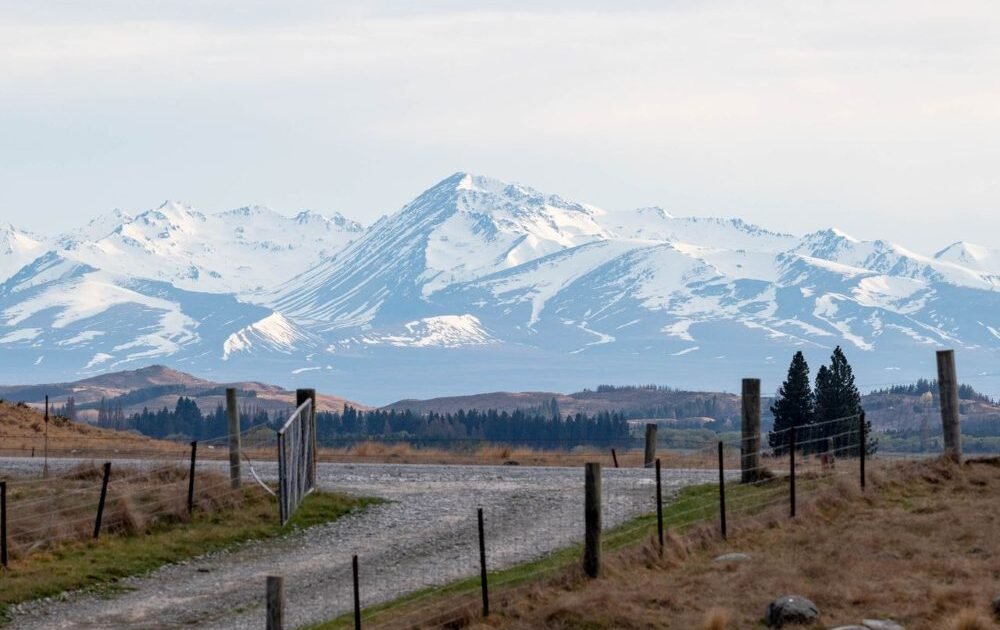
Top 10 Snowiest Cities in New Zealand
New Zealand sits in the middle of the southern Pacific Ocean, roughly 2,000 kilometres from the nearest continent. It has two main islands, three active volcanoes, 14 national parks, and more sheep than people by a ratio that has been a national joke for decades. The country stretches across 13 degrees of latitude, which is the equivalent of the distance between Scotland and North Africa. You can drive from subtropical mangrove forest to permanent glaciers in a single day.
Most of the world knows New Zealand through its scenery. The sharp fiords of Milford Sound. The geothermal fields of Rotorua. The green sheep paddocks that double as Middle-earth in the Peter Jackson films. What fewer people think about is the snow.
And yet snow is a real and significant part of life in New Zealand, particularly across the South Island and around the volcanic plateau of the central North Island. The Southern Alps run 500 kilometres down the spine of the South Island, intercepting the westerly winds that come in off the Tasman Sea and the Southern Ocean and converting that moisture into some of the heaviest winter snowfall in the Southern Hemisphere. The New Zealand ski season runs from June through September, and towns tucked into alpine valleys or sitting on high southern plains receive annual snowfall totals that would surprise anyone who only knows the country through summer travel brochures.
This article ranks the top 10 snowiest cities in New Zealand based on climate normals from NIWA, the National Institute of Water and Atmospheric Research, which is the official body responsible for New Zealand’s weather records and long-term climate data. All figures are from town-level measurement stations. Ski mountain summit readings, which are substantially higher, are not included.
New Zealand’s snowiest locations are concentrated in two regions: the alpine towns of the central and southern South Island, and the volcanic plateau gateway towns of the North Island. Coastal cities like Auckland, Wellington, and Christchurch get almost no measurable snow at all.
New Zealand’s Snowiest Towns and Cities
| # | City / Town | Annual Avg | Snow Days | Peak | Season | Risk |
|---|---|---|---|---|---|---|
| 1 | Ohakune | 85 cm / 33″ | 37 | Jul–Aug | Jun–Sep | Very High |
| 2 | Lake Tekapo | 75 cm / 30″ | 36 | Jul–Aug | Jun–Sep | Very High |
| 3 | Twizel | 65 cm / 26″ | 32 | Jul–Aug | Jun–Sep | High |
| 4 | Methven | 60 cm / 24″ | 28 | Jul–Aug | Jun–Sep | High |
| 5 | Wanaka | 45 cm / 18″ | 22 | Jul–Aug | Jun–Sep | High |
| 6 | Alexandra | 42 cm / 17″ | 25 | Jun–Aug | Jun–Sep | High |
| 7 | Queenstown | 38 cm / 15″ | 20 | Jul–Aug | Jun–Sep | High |
| 8 | Hanmer Springs | 38 cm / 15″ | 20 | Jul–Aug | Jun–Sep | High |
| 9 | Gore | 32 cm / 13″ | 19 | Jun–Aug | Jun–Sep | Moderate |
| 10 | Dunedin | 24 cm / 9″ | 14 | Jun–Aug | Jun–Sep | Moderate |
1. Ohakune, Manawatu-Whanganui
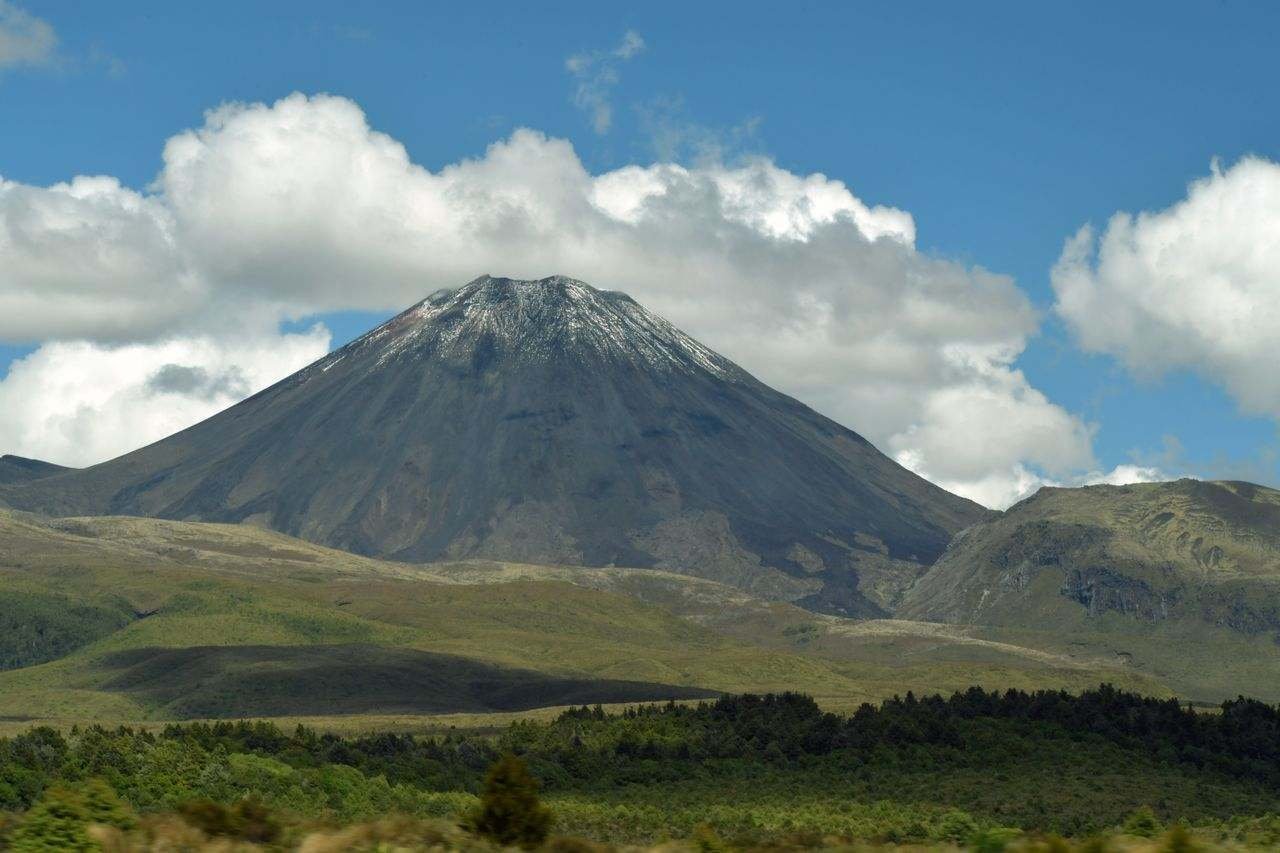
Annual snowfall: 85 cm (33 inches) | Snow days: 37
There is a giant carrot at the entrance to Ohakune.
It is about 7 metres tall, bright orange, and standing next to the main road into town. Ohakune grows a significant portion of New Zealand’s commercial carrot crop, and the locals are proud enough of this to have erected a monument to it. The carrot is the first thing most visitors photograph when they arrive.
The second thing they notice, in winter at least, is the mountain.
Mt Ruapehu rises 2,797 metres above sea level directly north of Ohakune. It is an active stratovolcano. It erupted in 1945, in 1969, in 1995, and in 2007. The ski area on its upper slopes, Whakapapa and Turoa, is the largest ski resort in New Zealand. Ohakune sits at 618 metres, just below the snowline that the mountain’s mass creates around it in winter. When Ruapehu generates its own weather, which it does frequently, Ohakune gets the overflow.
The result is 85 centimetres of annual snowfall and 37 snow days per year, the highest figures of any inhabited town in New Zealand based on NIWA climate records. Snow arrives reliably in June and can continue through September. The surrounding Tongariro National Park, which is also a dual UNESCO World Heritage Site for both its natural and Maori cultural significance, holds snow on its trails through most of the winter season.
Peter Jackson used the Tongariro volcanic landscape to film the Mordor scenes in the Lord of the Rings trilogy. The mountain you see when the Fellowship looks toward Mordor is Mt Ngauruhoe, which stands beside Ruapehu in the same national park. In snow conditions, with the dark volcanic rock contrasting against white fields, the comparison is obvious.
Worth visiting: The Tongariro Alpine Crossing is widely considered one of the world’s best single-day walks, passing through volcanic terrain, emerald lakes, and lava fields. Turoa Ski Area on the southern slopes of Ruapehu has the highest lift in New Zealand and holds snow longer than almost any other resort in the country. The Ohakune Old Coach Road is also a scenic mountain bike trail through native bush.
Safe month to visit for snowfall: July. By July the ski season is fully established, the mountain has its snowpack in place, and the opening-week storm systems that characterise June have usually settled. You will get consistent snow in and around the town and the ski area will be operating normally. August is also fine but can bring late southerly weather events that make the Ruapehu summit area dangerous for casual visitors.
Snow season: June through September
Peak months: July and August
School closure risk: Very High
2. Lake Tekapo, Canterbury
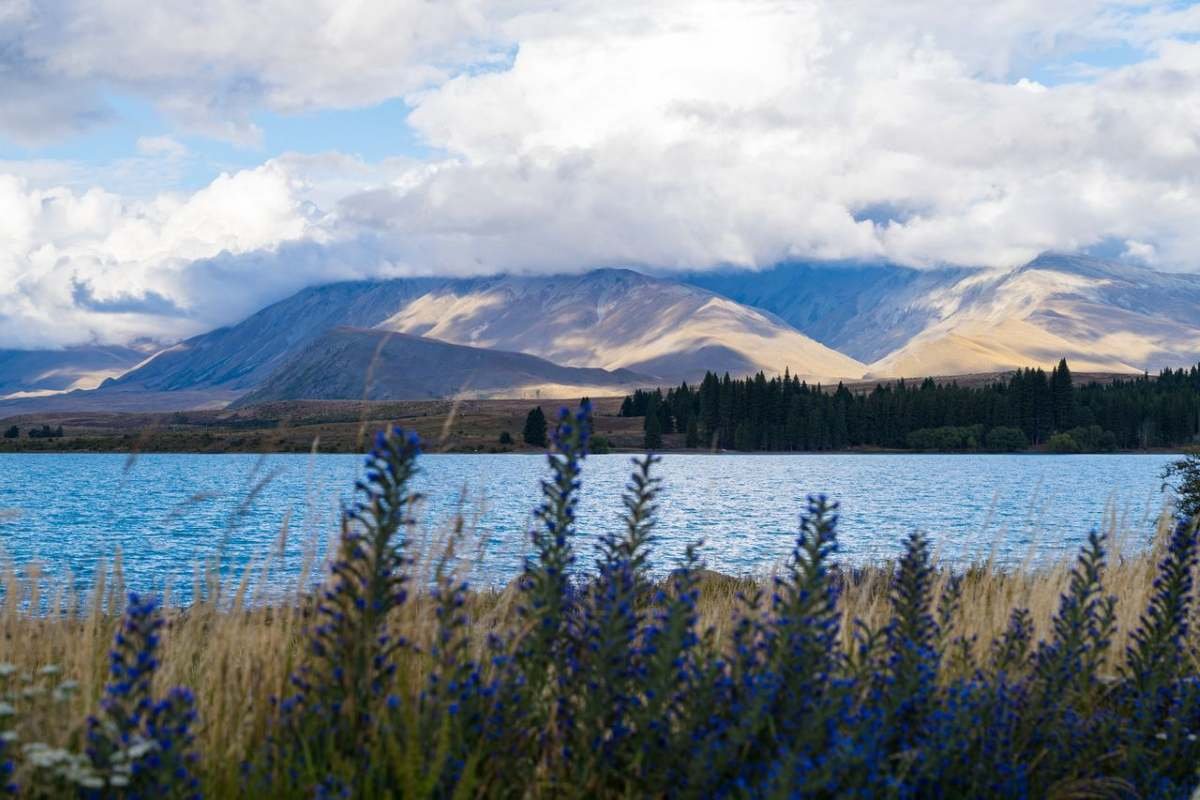
Annual snowfall: 75 cm (30 inches) | Snow days: 36
Lake Tekapo is famous for two things that seem completely unrelated: milky turquoise water and stars.
The water colour comes from glacial flour, fine rock particles ground by the glaciers above and suspended in the lake. The colour shifts through the day depending on light conditions, from grey-green in the morning to an almost impossible electric blue under afternoon sun. And the stars come from geography: the Mackenzie Basin where Tekapo sits is one of the most remote, flat, and population-sparse areas in New Zealand, with air so clear and light pollution so low that it was declared an International Dark Sky Reserve in 2012. On a winter night in Tekapo, the Milky Way is not something you search for. It is just there, overhead, the whole thing.
At 710 metres, Tekapo is the highest town on this list and receives 75 centimetres of annual snowfall across 36 snow days. The Mackenzie Basin has a continental climate for New Zealand: cold dry winters, hot dry summers, with temperature swings that feel more like the American West than the typical maritime softness of the New Zealand coast. When a southerly comes through in July, which is the most common snowfall trigger in this part of Canterbury, the basin fills with white and the famous turquoise lake reflects light through thin, cold air in a way that seems designed for photography.
The Church of the Good Shepherd, a small stone church built in 1935 on a rocky promontory at the lake’s edge, is one of the most photographed buildings in New Zealand. In winter, with snow on the ground around it and the lake behind it, the scene is genuinely striking.
Worth visiting: The Tekapo Springs hot pools and ice skating rink operate through winter and offer a good combination of outdoor cold and thermal warmth. Roundhill Ski Area, 32 kilometres from Tekapo, is a small family-friendly resort that operates throughout the July to September season. The Earth and Sky stargazing tours run through winter and take advantage of the Dark Sky Reserve status with telescope tours from the Mt John Observatory above the town.
Safe month to visit for snowfall: July. The weather in the Mackenzie Basin is at its most stable in mid-winter. June can bring unpredictable storms as the season opens, and August occasionally sees sudden southerlies with significant wind. July sits in the middle of the settled cold period: reliable snow on the ground, roads generally manageable with care, and the dark sky viewing at its best due to long nights.
Snow season: June through September
Peak months: July and August
School closure risk: Very High
3. Twizel, Canterbury
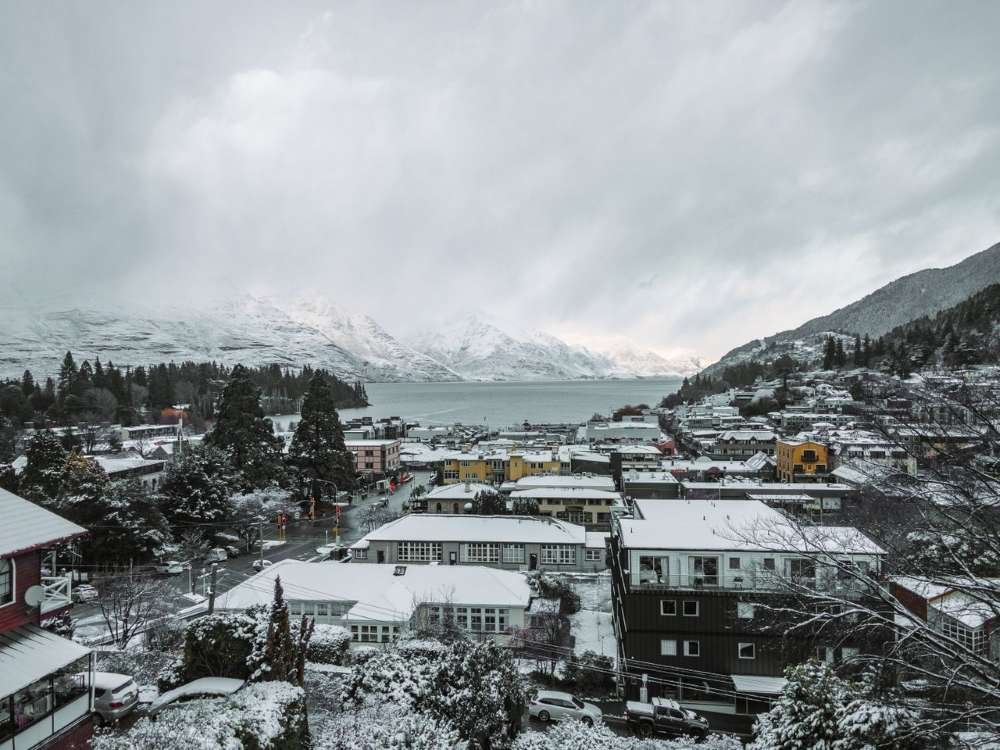
Annual snowfall: 65 cm (26 inches) | Snow days: 32
Twizel was built in 1968 for one purpose: to house the workers constructing the Waitaki hydroelectric power scheme. When the scheme was finished, the original plan was to demolish the town. The residents refused to leave. They lobbied the government, bought up the houses, and turned a construction camp into a permanent community of around 1,300 people.
The town now sits in the Mackenzie Basin at 520 metres, surrounded by braided river systems, tussock grassland, and the most dramatic alpine backdrop in New Zealand. Aoraki/Mt Cook, the highest mountain in the country at 3,724 metres, is visible from the outskirts of Twizel on clear days. The Mt Cook Village at the base of the mountain is 63 kilometres south.
Twizel receives 65 centimetres of annual snowfall and 32 snow days. The Mackenzie Basin’s continental climate means its winters are reliably cold and the basin floor holds snow for extended periods once it arrives. The surroundings are bare tussock country with very little tree cover, so a snow event changes the entire visible landscape dramatically. The braided Ohau and Tekapo rivers, threading through the basin, run slate-grey against white fields in midwinter.
The area is also the breeding ground for the black stilt, or kaki, which is considered the world’s rarest wading bird. The Twizel-based captive breeding programme has been instrumental in preventing the species from going extinct.
Worth visiting: Lake Ohau Lodge sits above the basin with ski area access and views across the Mackenzie that are genuinely exceptional in winter. The Aoraki/Mt Cook National Park is a 63-kilometre drive through tussock scenery from Twizel and is the starting point for glacier walks and mountaineering. The Black Stilt/Kaki Visitor Hide in Twizel allows viewing of captive-bred birds before their release.
Safe month to visit for snowfall: July. Twizel’s roads, particularly the access to Mt Cook, can become icy and dangerous after June southerlies. By July the basin is cold and the snowpack is established, but the sharp early-season storms have generally passed. Driving chains may still be required for the Mt Cook road in heavy conditions, but July road conditions are generally more predictable than the erratic June weather.
Snow season: June through September
Peak months: July and August
School closure risk: High
4. Methven, Canterbury
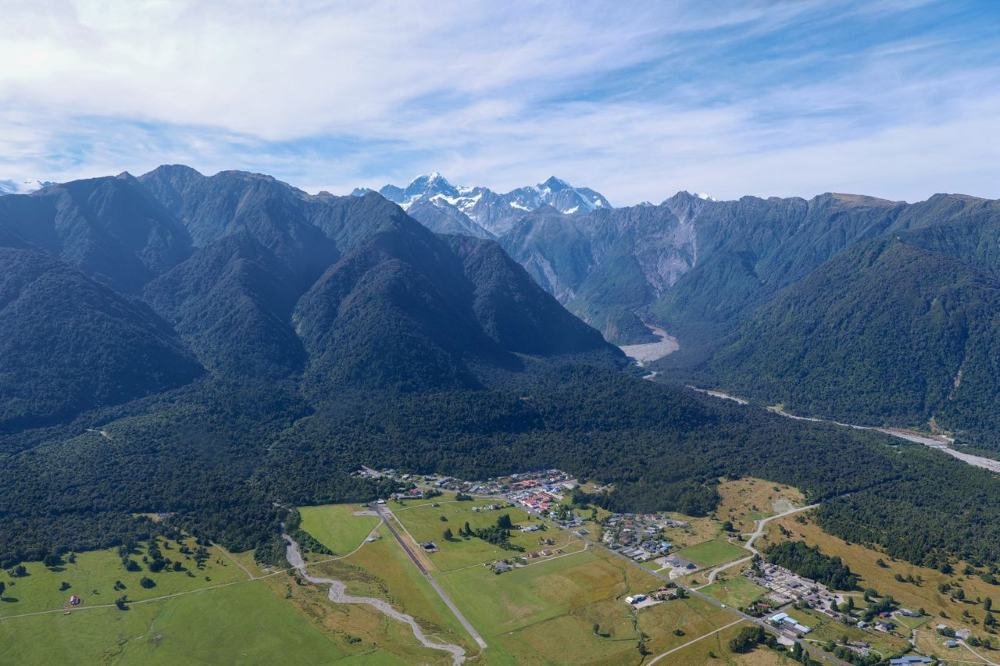
Annual snowfall: 60 cm (24 inches) | Snow days: 28
Methven is a farming town that became a ski town almost by accident.
Before Mt Hutt ski area opened on the mountain above the town in 1973, Methven was a quiet Canterbury Plains service centre. Farmers brought stock here. Locals did their shopping. Nothing dramatic happened in winter except the cold. Then the ski area opened and everything changed. Mt Hutt sits at 2,086 metres at its summit, making it one of the highest ski resorts in the Southern Hemisphere. Its season runs from mid-June through October, consistently one of the longest ski seasons in New Zealand.
Methven itself sits at 220 metres on the Canterbury Plains below. It receives 60 centimetres of annual snow and 28 snow days. When southerly fronts push up from the Southern Ocean and hit the eastern face of the Southern Alps, the snow level drops and Methven catches the lower edge of events that dump metres of snow on Mt Hutt above. On those days, the town transforms from a flat agricultural service centre into a snow village overnight.
Methven is also New Zealand’s skydiving capital. Blue Sky Skydive operates year-round, and the flat Canterbury Plains below make for dramatic views during the jump. The combination of skydiving in the morning and skiing in the afternoon is a specific Methven thing that no other place in New Zealand offers with quite the same proximity.
Worth visiting: Mt Hutt Ski Area is 25 kilometres from Methven and regularly ranked among the top ski areas in New Zealand for snow reliability and terrain variety. The Methven Heliski operation accesses backcountry terrain above the resort for guided powder skiing. The Canterbury Plains surrounding Methven are excellent cycling country in summer with routes through farm tracks and river gorges.
Safe month to visit for snowfall: July. Mt Hutt’s season is fully open by July and the snowpack is established on both the mountain and in Methven itself. August and September can also be good but the spring thaw begins unpredictably in September. June can have heavy snowfall with road closures on the access road to Mt Hutt, making July the more reliably accessible month for visitors.
Snow season: June through September
Peak months: July and August
School closure risk: High
5. Wanaka, Otago
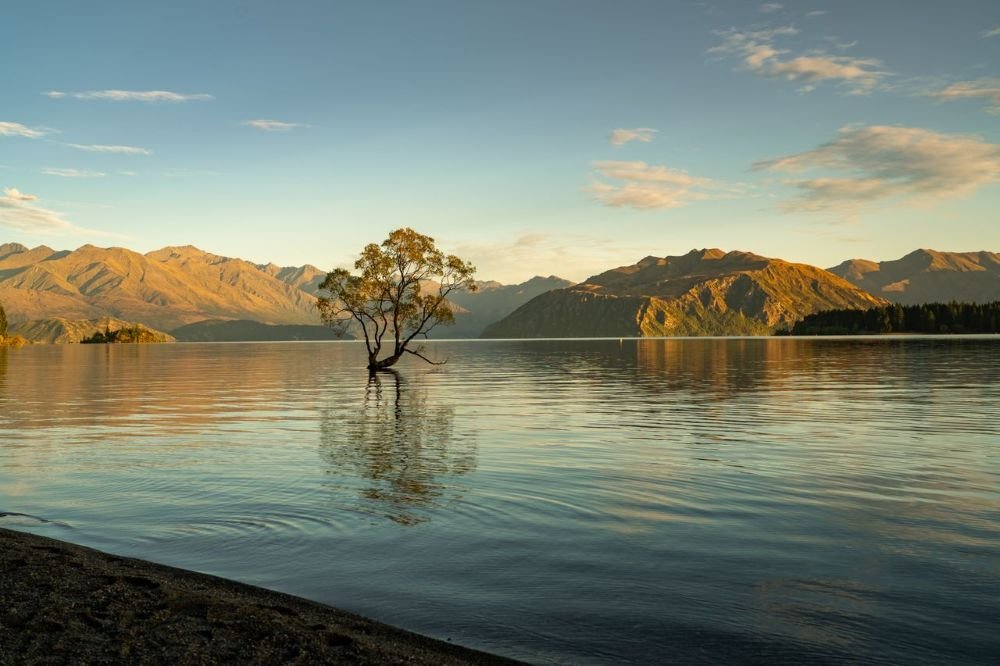
Annual snowfall: 45 cm (18 inches) | Snow days: 22
There is a willow tree growing out of Lake Wanaka, about five metres from the shore. It grows from a submerged rock and leans over the water at an angle that, in the right light, looks composed. It has been photographed so many times that it is now officially the most photographed tree in New Zealand. In winter, when snow dusts its bare branches and the Buchanan Peaks rise white behind the lake, the image that results is the kind that makes New Zealand’s tourism campaign practically run itself.
Wanaka sits at 275 metres on the southern shore of Lake Wanaka in Otago, receiving 45 centimetres of annual snow across 22 snow days. It is smaller and quieter than Queenstown, 60 kilometres to the south, and most people who have visited both places have a strong preference for one or the other. Wanaka is the one with the willow tree and without the bungee jumping operators on the main street.
The town gives access to two of New Zealand’s more serious ski areas: Cardrona Alpine Resort and Treble Cone. Treble Cone in particular has the most vertical of any ski area on the South Island, roughly 700 metres, with terrain that tests experienced skiers more effectively than the better-known resorts around Queenstown. Cardrona has better terrain for families and beginners.
Wanaka has also quietly become one of the more interesting small arts and culture towns in New Zealand, with a film festival, a lake walk, and Puzzling World, which is exactly what it sounds like: a full-scale maze and an optical illusion gallery that draws as many adult visitors as children.
Worth visiting: Cardrona Alpine Resort and Treble Cone are both within 35 kilometres of Wanaka with shuttle services running from the town. The Wanaka Tree is accessible from the main town waterfront. Puzzling World runs year-round and is particularly popular in winter when outdoor activities are weather-dependent.
Safe month to visit for snowfall: July. Both Cardrona and Treble Cone are fully operational in July and the town itself has the best chance of holding snow from recent events. August is also excellent but occasional rain days can affect the lower elevations. Avoid the June opening weekend at Cardrona, which can be extremely crowded and road conditions to Treble Cone can be challenging with the season’s first storms.
Snow season: June through September
Peak months: July and August
School closure risk: High
6. Alexandra, Central Otago
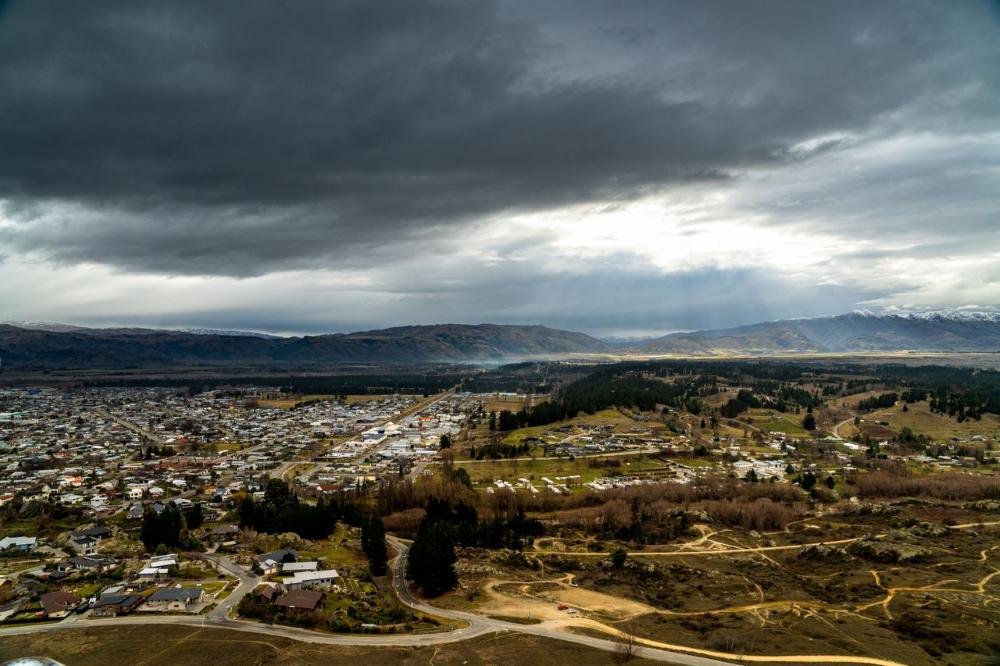
Annual snowfall: 42 cm (17 inches) | Snow days: 25
Alexandra grows apricots.
That is the fact that defines how unusual the Central Otago climate is. The same town that receives 42 centimetres of annual snow and regularly records New Zealand’s lowest winter temperatures also grows stone fruit in summer because the long hot dry summers and cold winters create a continental climate matched almost nowhere else in New Zealand. In January the temperature routinely reaches 35 degrees Celsius. In July it regularly drops below minus 10 at night. Alexandra is the most extreme place in New Zealand climatically.
The town sits at 150 metres in the Manuherikia River valley, surrounded by tawny schist rock hills that turn white in winter and golden in summer. The dryness of the Central Otago climate means snow here is different from the heavy wet snowfall of the coastal mountains: it is light, dry, and stays on the ground for extended periods without the quick melt that warmer maritime conditions produce. 25 snow days per year spread across a season from June through August, with June actually the most unpredictable month for significant events.
The gold rush era heritage of Alexandra and Central Otago runs through almost every aspect of the region. Miners arrived in the 1860s, the biggest gold find in New Zealand’s history, and the stone and schist buildings from that period still anchor the town.
Worth visiting: The Otago Central Rail Trail runs through Alexandra and the surrounding Central Otago landscape for 152 kilometres. It is best ridden in autumn or spring, but the midwinter version with frost on the tussock is something genuinely different. The Alexandra Blossom Festival happens in October when the stone fruit orchards flower. In winter, the Maniototo ice rink is the only outdoor natural ice skating area in New Zealand that operates reliably due to the cold continental climate.
Safe month to visit for snowfall: July. Alexandra in June can produce sudden black ice events on the roads, which are dangerous because the town’s flat valley floor roads look deceptively clear. By July the winter is settled and the conditions are cold but predictable. The dry Central Otago snow also makes July driving more manageable than the wet heavy snowfalls of the mountain towns. Take chains in any month but July is the most stable.
Snow season: June through September
Peak months: June through August
School closure risk: High
7. Queenstown, Otago
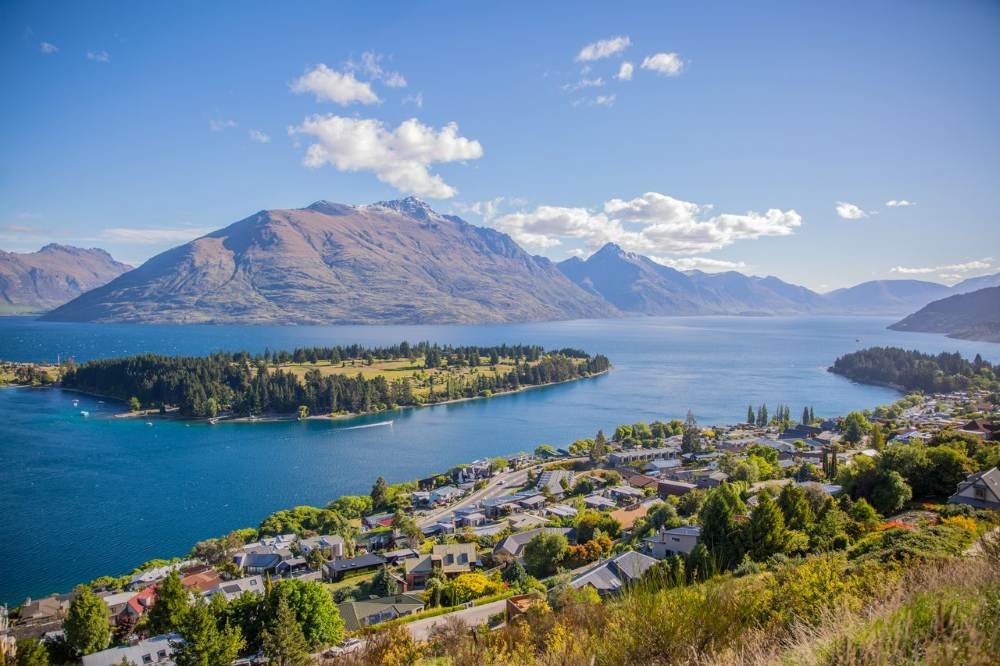
Annual snowfall: 38 cm (15 inches) | Snow days: 20
Commercial bungee jumping was invented in Queenstown in 1988.
A.J. Hackett and Henry van Asch ran the first commercial jump from the Kawarau Bridge, 43 metres above the Kawarau River gorge, and the adventure tourism industry in New Zealand effectively began that morning. Queenstown has spent the decades since building one of the most concentrated collections of extreme activities anywhere in the world: skydiving, jet boating, white water rafting, paragliding, canyon swinging, and four ski areas within an hour of the town center.
The snow side of Queenstown is sometimes underestimated. The town itself sits at 310 metres on the shore of Lake Wakatipu and receives 38 centimetres of annual snowfall across 20 days. Snowfall events in the town are relatively light, but the ski areas above it are another matter entirely. Coronet Peak sits at 1,649 metres at its summit and the Remarkables ski area at 1,943 metres, and both receive heavy seasonal snowfall that makes them two of the most reliable ski destinations in the country.
The Remarkables mountain range, which frames the eastern side of Lake Wakatipu, is named for the unusual way the ridgeline runs exactly parallel to the earth’s axis. The alignment is almost perfectly north to south, which is geologically uncommon and was remarked upon (hence the name) by early European surveyors.
Worth visiting: Coronet Peak Ski Area and The Remarkables Ski Area both have shuttle services from central Queenstown. The Skyline Gondola rises to 447 metres above the town for views of the snow-covered Remarkables and the lake. The Kawarau Bungy Centre operates year-round and the original historic bridge jump is worth watching even if you choose not to participate.
Safe month to visit for snowfall: July. Queenstown’s ski areas are in full operation by July, town roads are generally clear of snow even after significant events due to the lower elevation, and the accommodation and restaurant infrastructure is fully staffed. July is the most predictable month for getting the full Queenstown winter experience: snow on the mountains, clear town access, and all adventure operators running normal schedules. August can see larger snowfall events at town level that occasionally disrupt driving.
Snow season: June through September
Peak months: July and August
School closure risk: High
8. Hanmer Springs, Canterbury
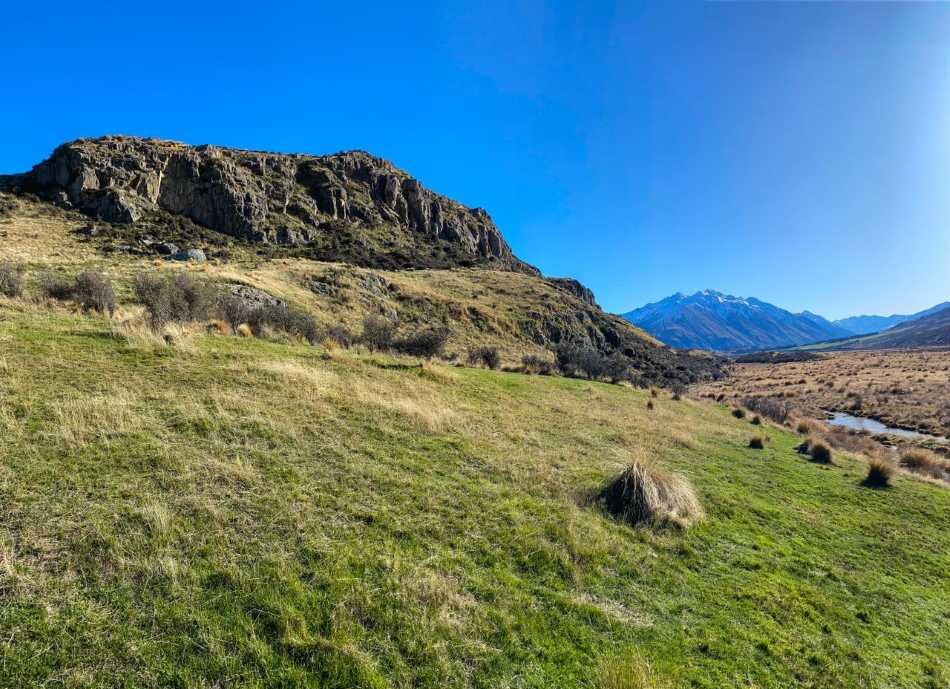
Annual snowfall: 38 cm (15 inches) | Snow days: 20
The hot springs at Hanmer were discovered by European settlers in 1859, though Maori had known about them considerably longer. The town that grew up around them became a recovery centre for soldiers returning from the First World War. The original therapeutic framing of the springs, that the combination of geothermal water and mountain air heals things that ordinary medicine cannot reach, never really went away.
Hanmer Springs sits at 380 metres in the Lewis Pass area of Canterbury, inland from the Kaikoura coast, in a valley surrounded by steep forested hills. It receives 38 centimetres of annual snow and 20 snow days. The valley position gives it a slight shelter from the worst Canterbury southerlies, which means heavy snowfall events are moderated compared to the more exposed locations on this list. What you get is scenic snowfall that settles on the village and surrounding forest rather than the battering storms that hit the plains.
The combination of snow and hot springs in one location is rare. Most of the places on this list offer snow or thermal pools. Hanmer offers both at the same time, which changes the character of a winter visit entirely. Sitting in a thermal pool while snow falls around you and on the forested hills above is a specific experience that most winter destinations cannot replicate.
Worth visiting: Hanmer Springs Thermal Pools operates year-round with outdoor pools at various temperatures, a hydroslide complex, and private pools. Mt Lyford Ski Area is 60 kilometres from Hanmer and a smaller family-oriented resort accessible through the Lewis Pass hills. The Conical Hill walking track above the village gives views of the valley and surrounding snow-covered hills in around 45 minutes.
Safe month to visit for snowfall: July. The valley location means Hanmer is sheltered enough to visit safely in any winter month, but July gives the best chance of snow on the ground in the village itself. The thermal pools are always open and the combination of village snow and outdoor bathing is at its most reliable in July. The access road from the State Highway is straightforward and rarely closes, making Hanmer one of the more accessible winter snow destinations on this list.
Snow season: June through September
Peak months: July and August
School closure risk: High
9. Gore, Southland
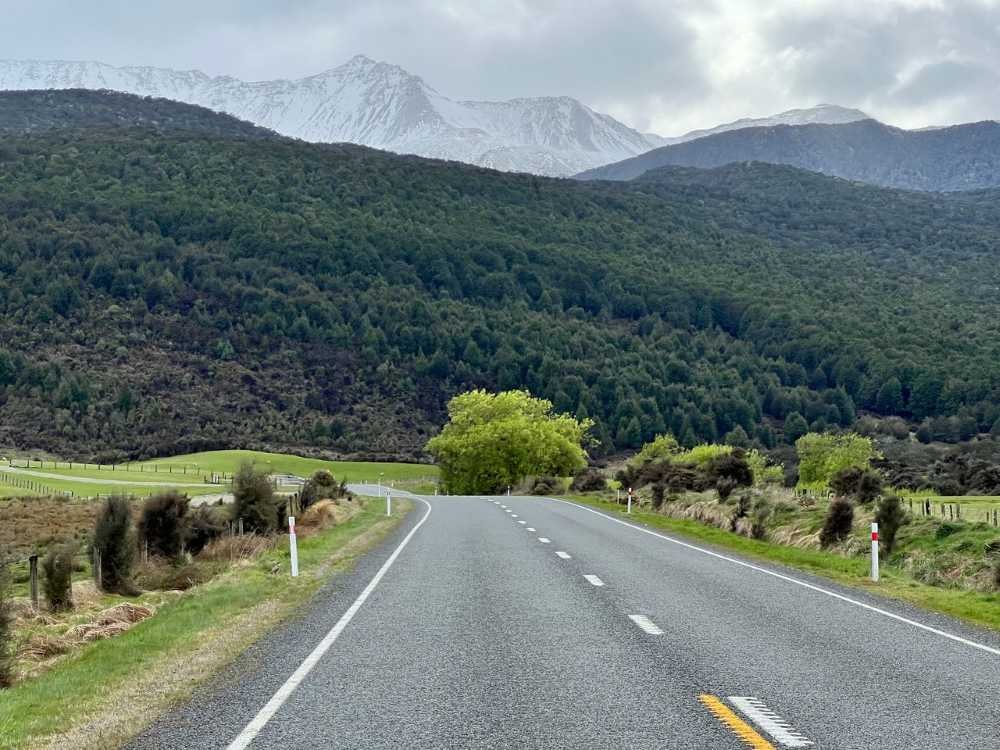
Annual snowfall: 32 cm (13 inches) | Snow days: 19
Gore has two claims that might be the most unlikely pairing in New Zealand tourism: it calls itself the Trout Fishing Capital of the World, and it is the country music capital of New Zealand.
Both claims are somewhat defensible. The Mataura River running through Gore holds genuinely exceptional brown trout populations, and the Eastern Southland country music festival has been running since 1979 and draws performers and audiences from across the country. In terms of cultural identity, Gore knows exactly what it is, which is more than can be said for many small New Zealand towns.
Sit at 100 metres in the Southland Plains, Gore receives 32 centimetres of annual snow across 19 days. Southland is New Zealand’s southernmost and arguably most southerly-feeling region: flat, green, frequently grey-skied, and genuinely cold in winter. The snowfall is not alpine-heavy like the mountain towns further north, but it is persistent and more frequent than most of the country. A snow event in Gore settles on flat farmland and changes a landscape that usually looks like a very productive dairy farm into something temporarily more austere.
Invercargill, Southland’s larger city at the bottom of the South Island, also receives regular snowfall but Gore’s slightly higher elevation and more inland position gives it a slight edge in annual totals.
Worth visiting: Mandeville Airfield near Gore offers scenic flights over the Southland plains and towards the Fiordland mountains. The Eastern Southland Gallery in Gore holds one of the strongest collections of Ralph Hotere’s work, one of New Zealand’s most significant contemporary artists. The Mataura River trout fishing is best in the October to April season, but winter visits allow you to see the river in its most dramatic flow.
Safe month to visit for snowfall: July. Gore’s flat location means snowfall events are generally safe to be out in, though the roads of the Southland Plains can become icy overnight. July sits in the middle of the snow season and gives a reliable chance of snow on the ground. The accommodation in Gore is modest but the surrounding Southland countryside in winter has a quiet, uncrowded quality that the alpine resort towns cannot offer.
Snow season: June through August
Peak months: June through August
School closure risk: Moderate
10. Dunedin, Otago
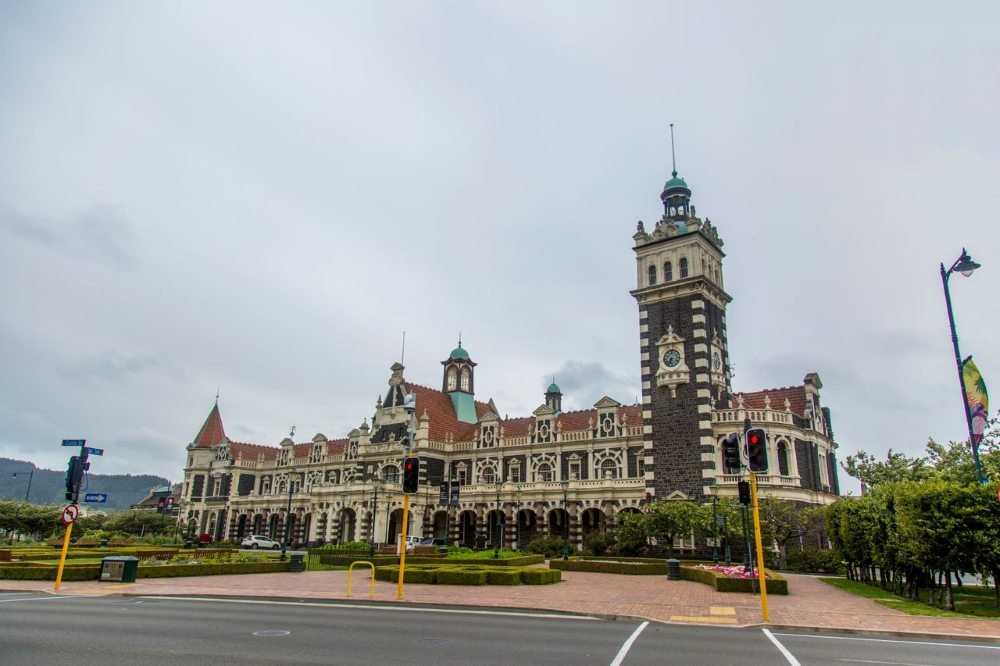
Annual snowfall: 24 cm (9 inches) | Snow days: 14
Dunedin was built by Scottish settlers and it has never entirely stopped feeling Scottish.
The city was founded in 1848 by the Free Church of Scotland as a deliberate model of Presbyterian values in the southern Pacific. The settlers named streets after Edinburgh landmarks, built a railway station that looks like it belongs in the Victorian Highlands, and established a university that opened in 1869 and remains the oldest in New Zealand. Walking through the Dunedin Botanic Garden in winter, with frost on the grass and the hills behind the city occasionally showing snow, the climate comparison is not accidental.
Dunedin sits at roughly 10 metres above sea level on the Otago Harbour, which means its snowfall is among the lowest on this list: 24 centimetres per year and 14 snow days. The city gets snow when significant southerly fronts push cold air up the Otago coast from the Southern Ocean, and these events are remembered locally with a particular fondness. The last major snow event that settled across the city centre brought people out to photograph Baldwin Street, the world’s steepest residential street as measured by Guinness World Records, covered in snow. It was thoroughly photographed.
Dunedin also has wildlife. Yellow-eyed penguins (hoiho), one of the world’s rarest penguin species, breed on the Otago Peninsula. Royal albatross nest at Taiaroa Head, the only mainland albatross colony in the world. Both can be visited from the city.
Worth visiting: The Otago Peninsula is 30 kilometres from central Dunedin and gives access to the royal albatross colony, yellow-eyed penguin viewing, and fur seal rocks. Baldwin Street in the suburb of North East Valley is an easy walk from central Dunedin. The Dunedin Railway Station runs scenic train journeys through the Taieri Gorge, which is particularly striking with snow on the rocky gorge walls in midwinter.
Safe month to visit for snowfall: July. Dunedin’s snow is unpredictable but July gives the best statistical chance of a snowfall event while the city remains fully functional. Dunedin has urban infrastructure robust enough to handle moderate snow without significant disruption, so even when events do occur the city keeps running. The university is in semester so the city is lively, the restaurants and cafes are open, and the Otago Peninsula wildlife viewing is excellent in the cold clear days that follow a snow event.
Snow season: June through August
Peak months: June through August
School closure risk: Moderate
How New Zealand Compares to Other Snowy Countries
New Zealand’s annual snowfall totals at town level are modest compared to Europe’s snowiest countries, but the context is different. These are real towns and cities, not mountain resorts, and the combination of snow, dramatic Southern Alps scenery, and southern hemisphere timing makes a New Zealand winter unlike any other.
Europe starts with Murmansk at 280 centimetres, well above any town-level figure in New Zealand. But Europe has no equivalent of Ohakune, a town sitting on the lower slopes of an active volcano with a ski resort above it and Lord of the Rings filming locations surrounding it.
For Switzerland’s snowiest towns, Arosa leads at 722 centimetres. At town level in the Alps the scale is simply different. The Germany and the Spain tell similar stories: European mountain towns receive heavier annual totals than their New Zealand counterparts, but they do not have the same combination of volcanic terrain, glacial lakes, and ancient Pacific culture surrounding the snow.
FAQ’s
Ohakune in the Manawatu-Whanganui region leads New Zealand with approximately 85 centimetres of annual snowfall and 37 snow days per year. The town sits at 618 metres on the lower slopes of Mt Ruapehu, an active volcano, and the mountain’s mass creates consistent winter snowfall at the town level. The surrounding Tongariro National Park, a UNESCO World Heritage Site, holds snow from June through September.
Yes. New Zealand’s ski season runs from June through September, which is the southern hemisphere winter. The main ski areas are concentrated on the South Island in Canterbury and Otago, with the North Island’s major resort on Mt Ruapehu above Ohakune. New Zealand ski areas attract a significant number of visitors from the northern hemisphere who want summer skiing when European and North American resorts are closed.
It depends on the location. Coastal cities like Auckland and Wellington rarely have winter road conditions that require special preparation. Mountain towns and the routes to ski areas are a different matter: chains may be required on mountain access roads during or after heavy snowfall events, and Central Otago roads can freeze overnight even when no snowfall is visible. July is generally the most stable month for winter driving in snow-affected areas, with conditions more predictable than the early-season June storms.
July is consistently the month with the most snowfall and snow days across New Zealand’s snowiest towns. June can produce heavy early-season events but the conditions are less settled. August and September see the tail of the winter season with lighter snowfall and the beginning of the spring thaw at lower elevations.
Yes, but only on the highest mountains. The Southern Alps have permanent snowfields and glaciers, and peaks above 2,500 metres hold snow year-round. Mt Cook at 3,724 metres and Mt Aspiring at 3,033 metres have substantial permanent snow cover. The Franz Josef and Fox glaciers on the West Coast, while receding due to climate change, carry snow and ice down to around 300 metres in a way that is unusual globally given their proximity to a temperate rainforest.
July. Across all ten towns on this list, July gives the most reliable combination of snow on the ground, stable driving conditions, fully operational ski areas, and manageable weather. It sits in the heart of the southern hemisphere winter without the opening-week unpredictability of June or the late-season thaw uncertainty of September.

Snow Day Predictor was created and is maintained by Muhammad Nabeel Dar, an independent web developer and software professional focused on building reliable web applications and online tools.
With experience in software quality assurance and web development, Muhammad focuses on making Snow Day Predictor fast, easy to use, and helpful for checking snow day and school closure conditions across the United States and Canada.